CHIKAMI Yasuhiko
Assistant Professor
Mechanism, Evolution and Diversity of sex determination and differentiation
Department of Biological Sciences, Reproductive and Developmental Biology
| Theme | Sex determining/differentiating mechanism and its evolutionary history in Arthropoda |
| Field | Evolutionary Developmental Biology, Reproductive Biology |
| Keyword | Insect, Sex determination, Sex differentiation, Gene function, Evolution, Exaptation |
Introduction of Research
In general, most animal groups possess two sexes, male and female, and reproduce sexually. Accurate sex determination is essential for species that rely on sexual reproduction. Although these species produce the same two sexes, sex-determining mechanisms are highly labile across animal taxa. How have sex-determining mechanisms and their associated genes diversified during evolution? What roles did these genes play prior to acquiring sex-related functions?
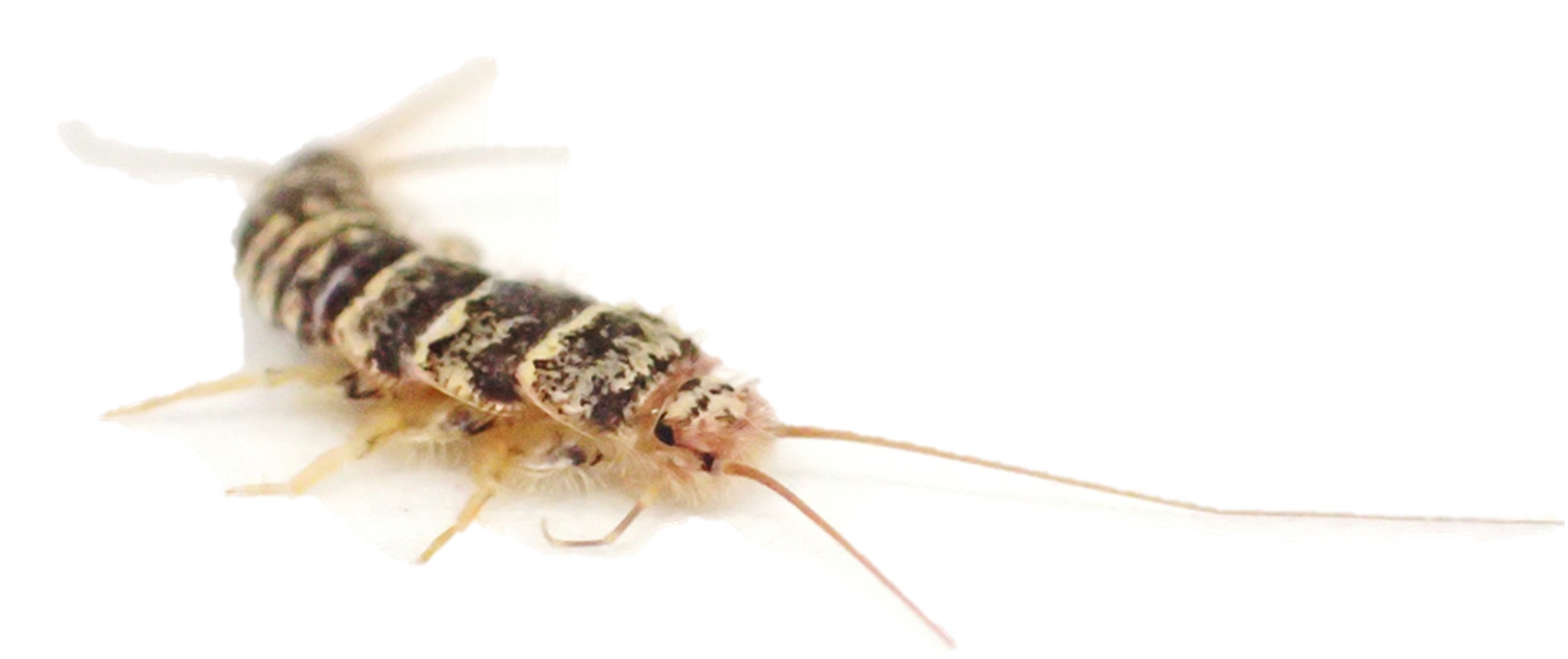
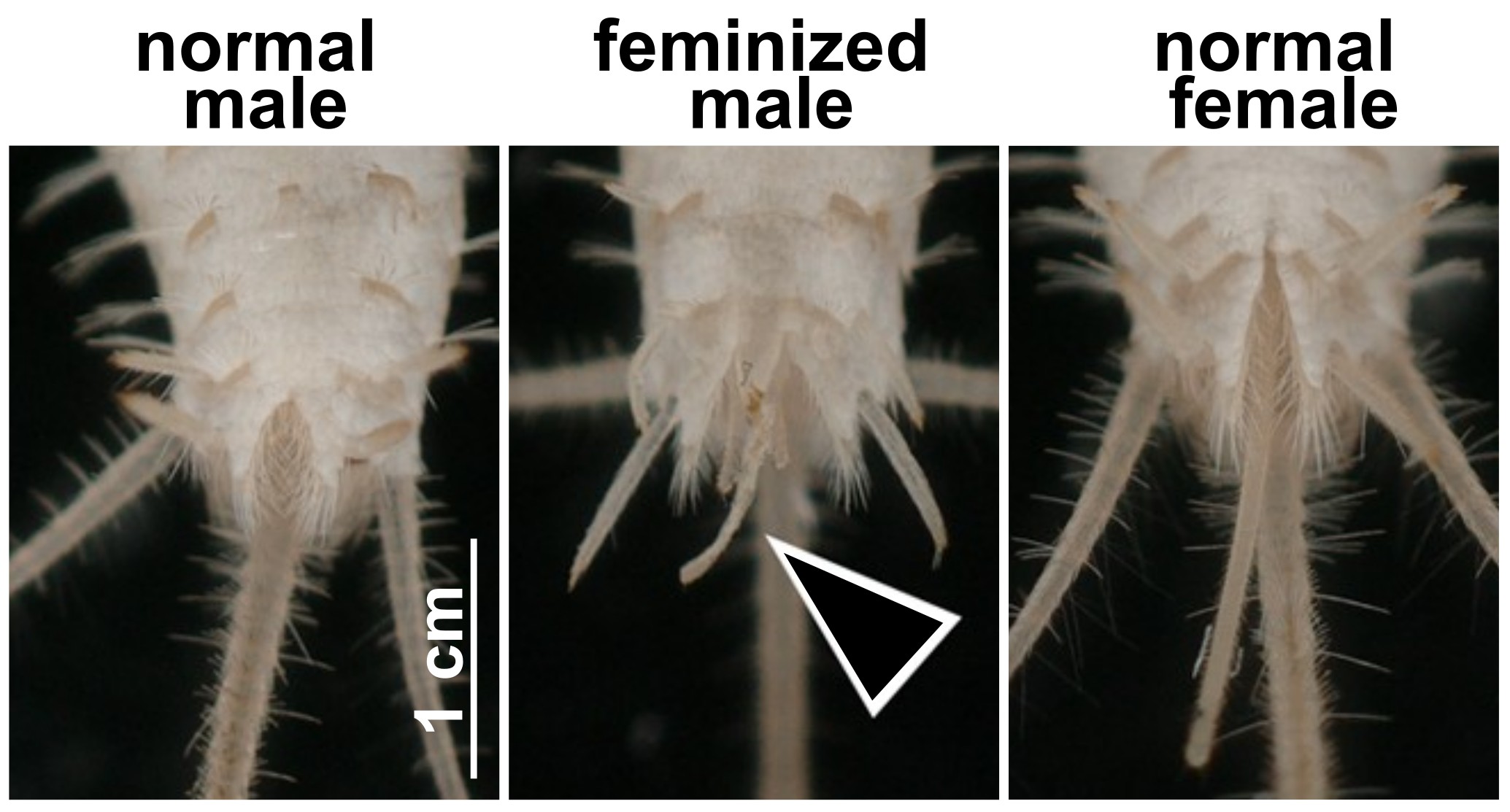
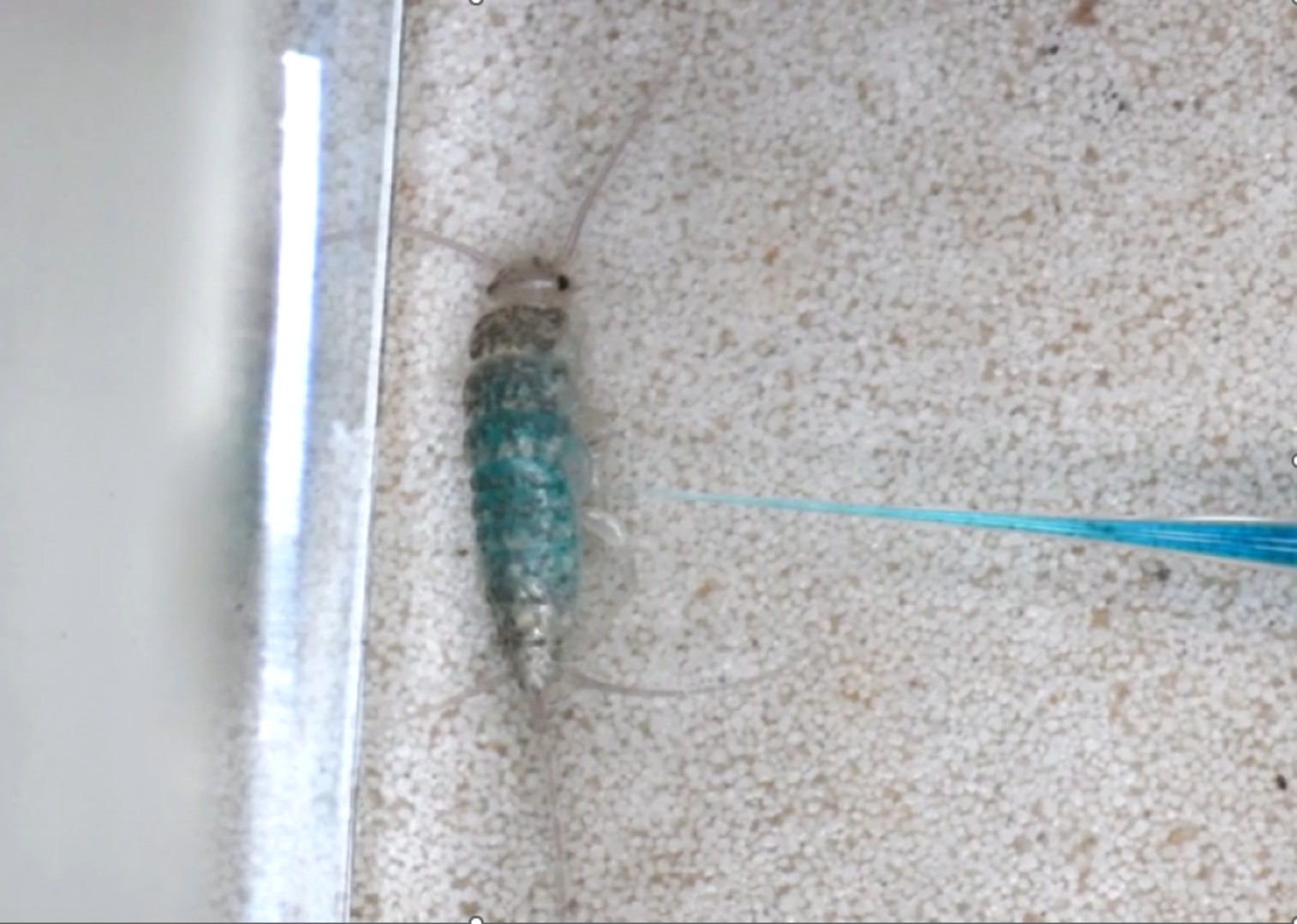
To address these questions, we focus on insect lineages that have emerged early in evolution. Specifically, we examine the following topics in these species: (1) the identification of sex-determining genes and (2) the functional analysis of ‘sex-determining’ genes identified in other insects. Based on these analyses and comparisons, we discuss the ‘ancestral states’ of sex-determining mechanisms and genes.
Representative Achievements
| Self Introduction | I’m from Kochi Prefecture. I enjoy walking while getting lost in thought and studying the philosophy of science. I also like relaxing in hot springs. |
| Academic background | 2015 B.S., School of Life and Environmental Sciences, University of Tsukuba 2017 M.S., Graduate School of Life and Environmental Sciences, University of Tsukuba 2022 Ph.D., School of Life Science, The Graduate University for Advanced Studies, SOKENDAI 2022–2023 Researcher, National Institute for Basic Biology 2023–2026 JSPS Postdoctoral Fellow, Faculty of Science, Shizuoka University 2026– Assistant Professor, Faculty of Science, Hokkaido University |
| Affiliated academic society | The Zoological Society of Japan, The Japanese Society of Applied Entomology and Zoology, Artjropodan Embryologic Society of Japan, Society of Evolutionary Studies, Japan |
| Room address | Science Building 5 5-1103 |