Researcher Information

WADA Yuuki

Associate Professor

New observation techniques to uncover the dynamics of weather

Department of Earth and Planetary Sciences, Earth and Planetary Dynamics
basic_photo_1
Theme

By utilizing a wide range of wavelengths, from radio waves to radiation, we are opening up new frontiers in meteorology through the power of observation.

FieldHigh-energy atmospheric physics, Radar meteorology, Atmospheric electricity, Radiation measurement
KeywordPhased-array weather radar, Linear rainband, Cumulonimbus cloud, Thunderstorm, High-energy atmospheric phenomena

Introduction of Research

We study various meteorological phenomena, primarily lightning discharges and rainfall, from an observational perspective. In particular, we are working on observing torrential rain and cumulonimbus clouds using phased array weather radar, observing high-energy atmospheric phenomena emitted from thunderclouds and lightning discharges using a combination of radio waves, visible light, and radiation, and observing the upper atmosphere using muons, which are high-energy particles coming down from space. We aim to reveal phenomena that were previously invisible with cutting-edge observation methods, and at the same time, we are developing observation methods themselves, striving to advance meteorology through both instrument development and observation.
study-image-0
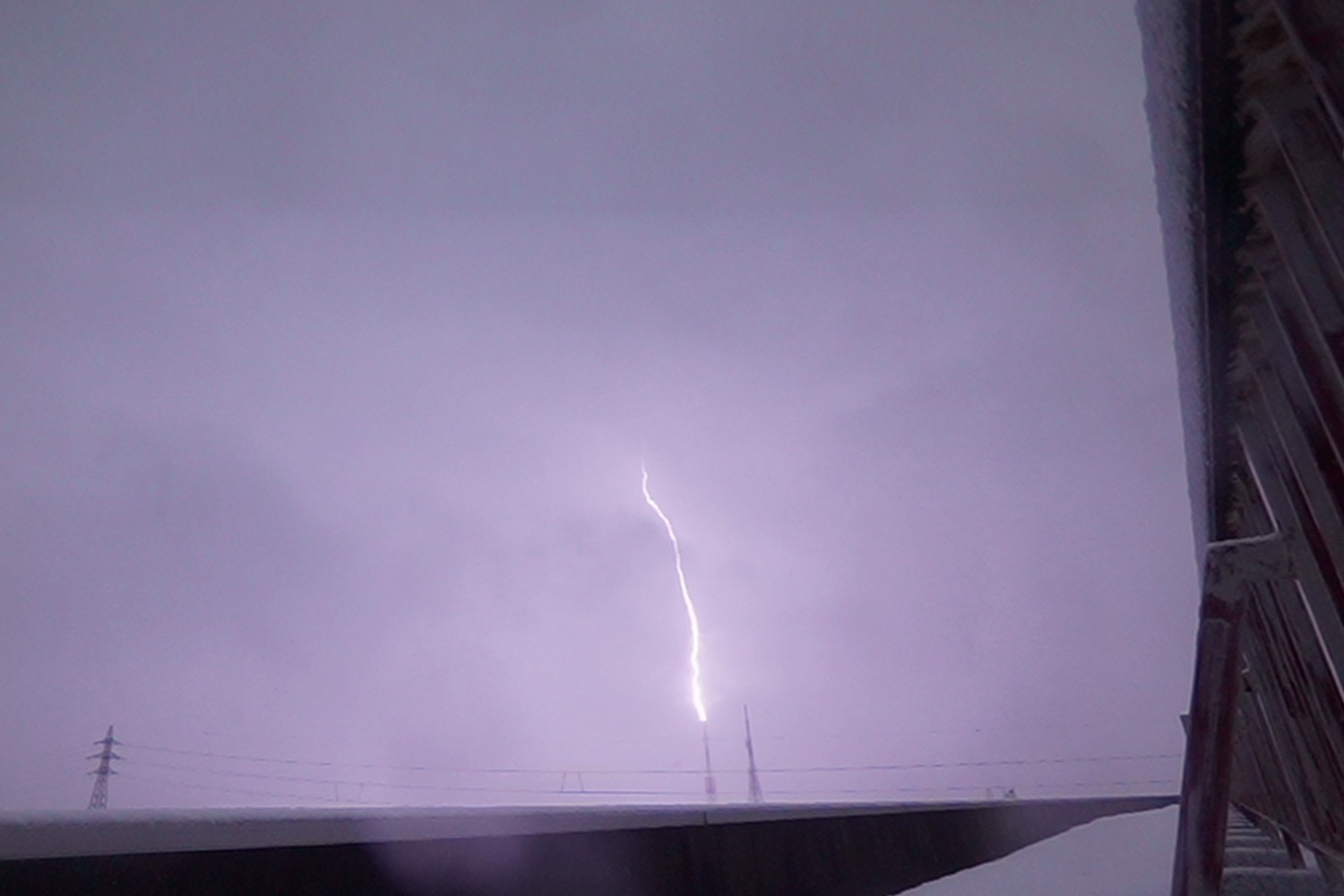
A lightning strike that caused a "terrestrial gamma-ray flash," one of the high-energy atmospheric phenomena.

Representative Achievements

Downward terrestrial gamma-ray flash associated with collision of lightning leaders, Y. Wada et al., Science Advances, 11, eads6906 (2025)
Characteristics of Low-Frequency Pulses Associated With Downward Terrestrial Gamma-Ray Flashes, Y. Wada et al., Geophysical Research Letters, 49, e2021GL097348 (2022)
Meteorological Aspects of Gamma‐Ray Glows in Winter Thunderstorms, Y. Wada et al., Geophysical Research Letters, 48, e2020GL091910 (2021)
Downward Terrestrial Gamma-Ray Flash Observed in a Winter Thunderstorm, Y. Wada et al., Physical Review Letters, 123, 061103 (2019)
Gamma-ray glow preceding downward terrestrial gamma-ray flash, Y. Wada et al., Communications Physics, 2, 67 (2019)
Academic degreePh.D. in Physics
Self Introduction

I'm from Maniwa City, Okayama Prefecture. While Okayama is known as the "Land of Sunshine," the northern part of the prefecture is an exception, as there are ski resorts within the city. I've lived in Tokyo, Paris, and Osaka before finally settling in Sapporo. I used to be interested in elementary particles, atomic nuclei, and the universe, but my research topic shifted to the more familiar yet dynamic subject of weather. My hobbies are piano and photography, but I rarely have time for the former. At the very least, I hope to encounter as many of Hokkaido's beautiful landscapes as possible.

Academic backgroundMarch 2015 B.S., Department of Physics, School of Science, The University of Tokyo
April 2018 Guest Researcher, Laboratoire Astroparticule et Cosmologie, Université Paris Diderot (7 months)
March 2020 Ph.D., Department of Physics, Graduate School of Science, The University of Tokyo
April 2020 Special Postdoctoral Researcher, RIKEN
September 2020 Guest Researcher, Laboratoire Astroparticule et Cosmologie, Université de Paris (3 months)
May 2021 Assistant Professor, Division of Electric, Electronic, and Infocommunications, Graduate School of Enginering, Osaka University
April 2025 Associate Professor (Lecturer), Division of Electric, Electronic, and Infocommunications, Graduate School of Enginering, The University of Osaka
January 2026 Associate Professor, Department of Earth and Planetary Sciences, Faculty of Science, Hokkaido University
Affiliated academic societyAmerican Geophysical Union, Society of Atmospheric Electricity of Japan, Meteorological Society of Japan, Physical Society of Japan, Japan Geoscience Union
Room addressScience Building 8 Room 216

Department of Earth and Planetary Sciences, Earth and Planetary Dynamics

WADA Yuuki

Associate Professor

basic_photo_1
What research topic are you currently focusing on?

My research focuses on uncovering the nature of natural phenomena using instruments developed by myself. Specifically, I study the radiation emitted by lightning flashes and thunderclouds to understand why they produce such radiation, and to explore whether detecting this radiation can help elucidate the mechanisms behind lightning triggering and the processes by which electric charge accumulates within thunderclouds. I also use meteorological radars to investigate how cumulonimbus clouds develop and to determine whether it is possible to predict torrential rainfall. Conducting cutting-edge observations requires state-of-the-art equipment, which is often not available on the commercial market. I believe that designing and building one’s own instruments, tailored to specific research objectives, is the most direct path to generating new scientific knowledge. Furthermore, while meteorological radar systems are highly complex and large-scale, collaborating on their development with not only academic researchers but also engineers from industries is an incredibly rewarding experience.

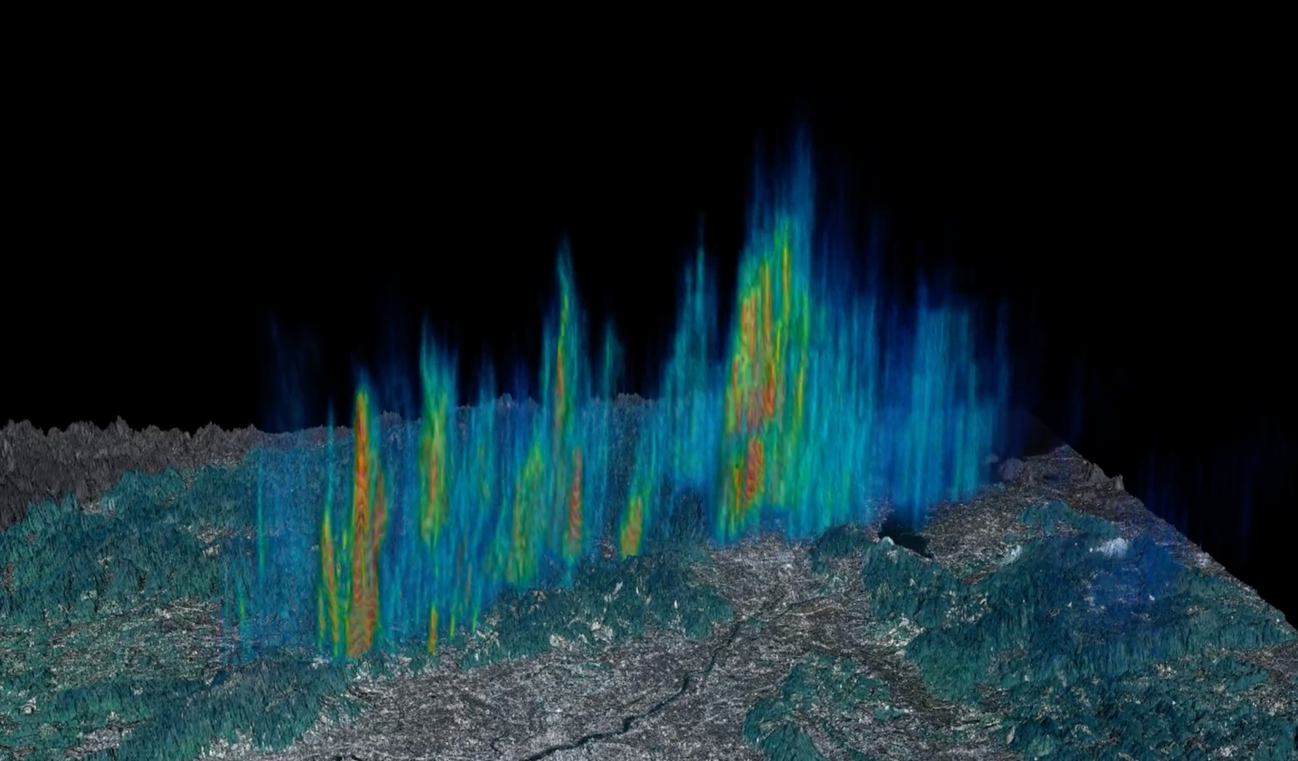
Three-dimensional structure of rainfall observed by phased-array weather radar
basic_photo_1
Who is the researcher you respect most, and why?

While I certainly hold the professors and collaborators who have supported me in high regard, if I were to name a researcher I have never met, it would be Dr. Shuji Nakamura, who received the Nobel Prize in Physics for his development of the blue LED. When I was in junior high school, I heard news about a 20-billion-yen lawsuit; the sheer scale of that figure was shocking, but I was even more deeply impressed by the fact that his breakthrough stemmed from his own efforts to modify equipment and engage in extensive trial and error during the development of the blue LED.

basic_photo_1
Please tell us about yourself, including your strengths, favorite things, hobbies, and daily routine.

My hobbies include playing the piano and taking photographs, though I have not had much chance to play the piano recently. I am fond of the French composer Maurice Ravel and practice his pieces whenever I have the time; meanwhile, the atmosphere here in Hokkaido often brings to mind the works of composers from Northern Europe. I also enjoy going for drives in search of Hokkaido’s beautiful scenery.

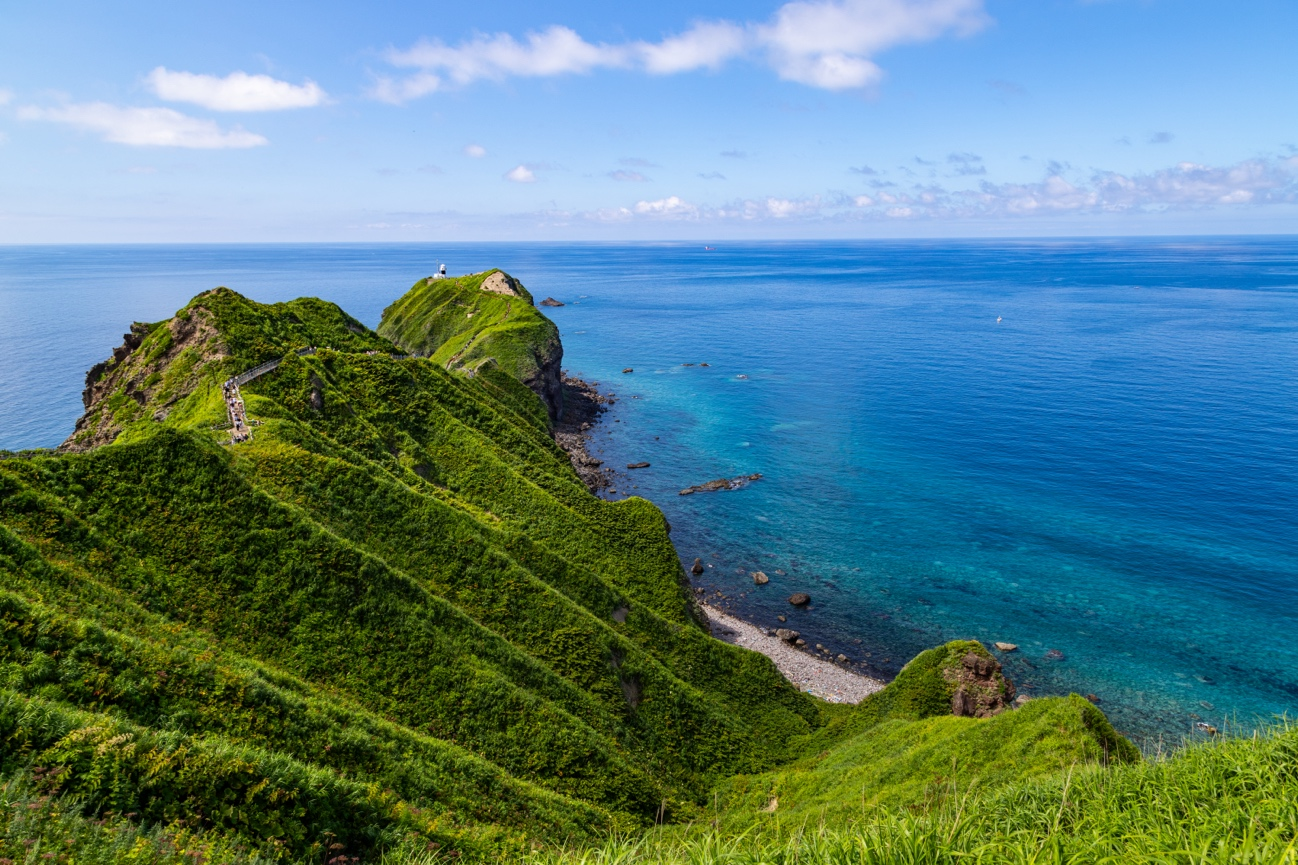
Cape Kamui in summer
basic_photo_1
Can you tell us about your journey to becoming a researcher?

During my time as a graduate student and later as a postdoctoral researcher, I lived in Paris, France, where I worked on developing a satellite for lightning observations. As a graduate student, I spent seven months there during the summer, enjoying both my research work and travels across Europe. In contrast, my time there as a postdoc, which took place during the winter amidst the COVID-19 pandemic, was fraught with difficulties; I was unable to go anywhere beyond commuting between the research institute and my home, and to make matters worse, the satellite we had developed failed during launch. While I did not achieve any significant scientific breakthroughs, managing only to publish a paper documenting the development process, the experience was nonetheless invaluable. It provided me with firsthand insight into living abroad, managing international projects, and navigating the aftermath of a failed launch.

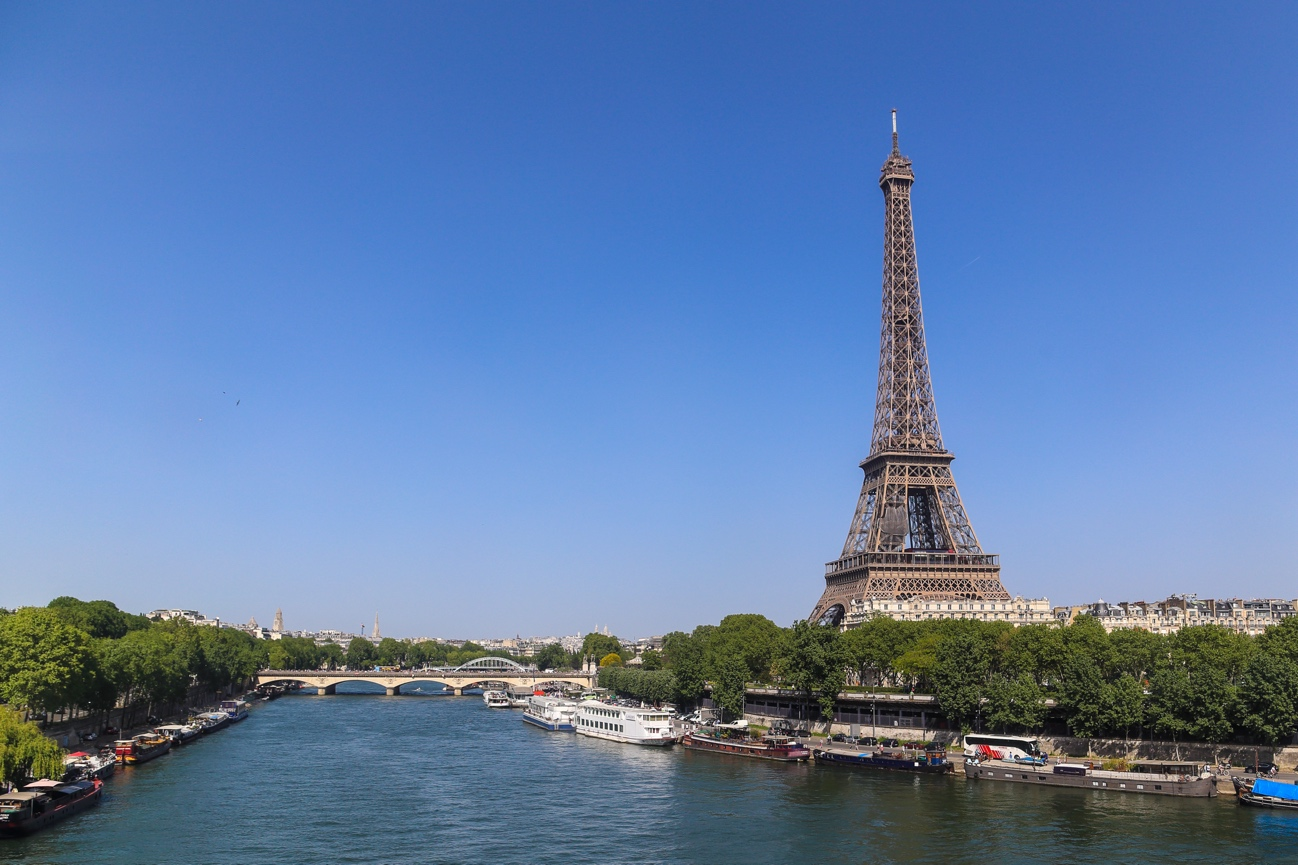
The Eiffel Tower as seen from Metro Parisien Line 6 as it crosses the Seine River