KAJIHARA Hiroshi
Professor
What kinds of organisms are out there?
Department of Biological Sciences, Biodiversity
| Theme | Classification and clarification of marine inveretebrates |
| Field | zoological taxonomy, phylogenetics, systematics, comparative morphology |
| Keyword | Nemertea, interstitial animals |
Introduction of Research
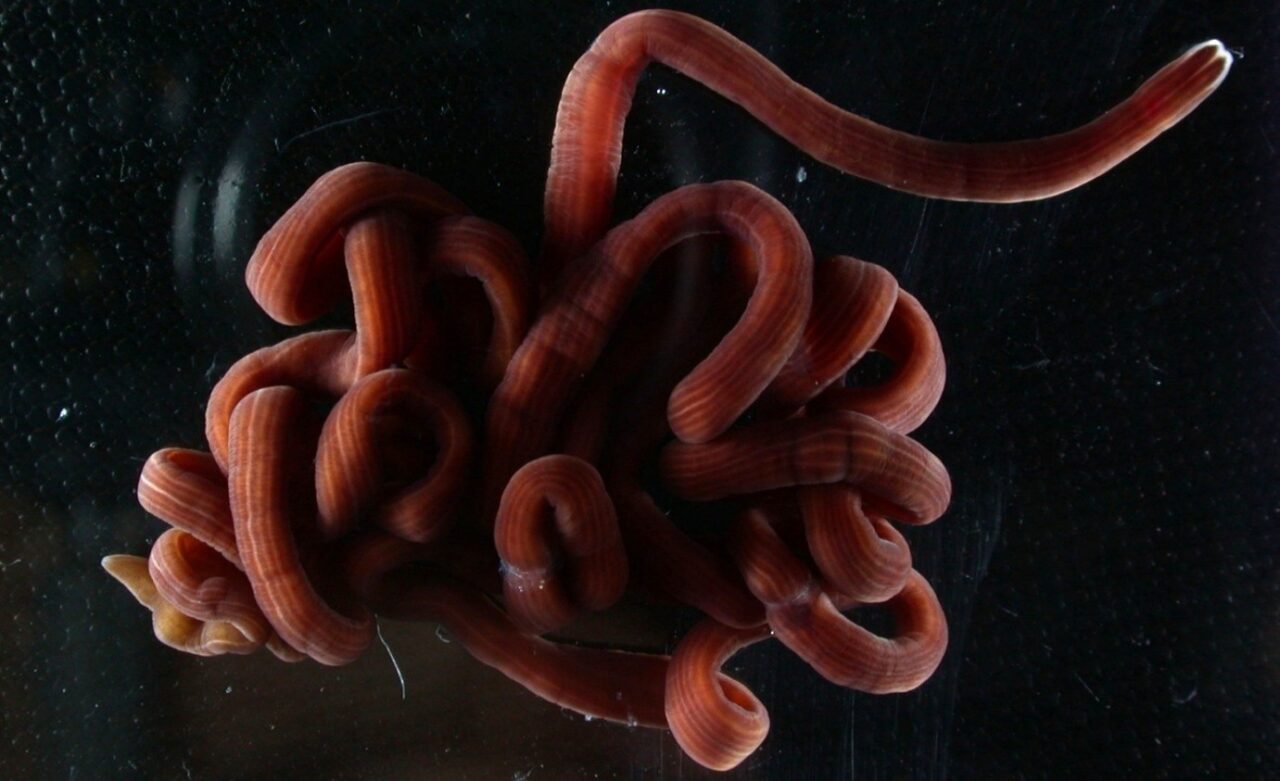
One of my goals is to clarify the marine invertebrate fauna around Japan. I specialize in taxonomy of the phylum Nemertea (ribbon worms), which comprises about 1200 species distributed worldwide, mostly in marine benthic habitats, though some species have adapted to live in pelagic, freshwater, or land habitats. To date, around 120 species have been recorded from Japanese waters, but we estimate the actual diversity to be more than double this figure.
In addition to nemerteans, I have collaborated with colleagues and students on Platyhelminthes, Gastrotricha, Annelida, Phoronida, Bryozoa, Nematoda, Arthropoda (Pycnogonida, Acari, Crustacea), Kinorhyncha, and Holothuroidea. We aim to reveal evolutionary relationships among these invertebrates, based both on molecular phylogenetics and comparative/functional morphology.
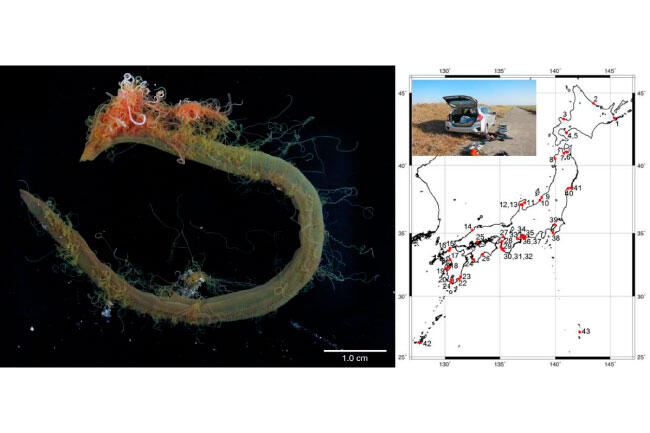
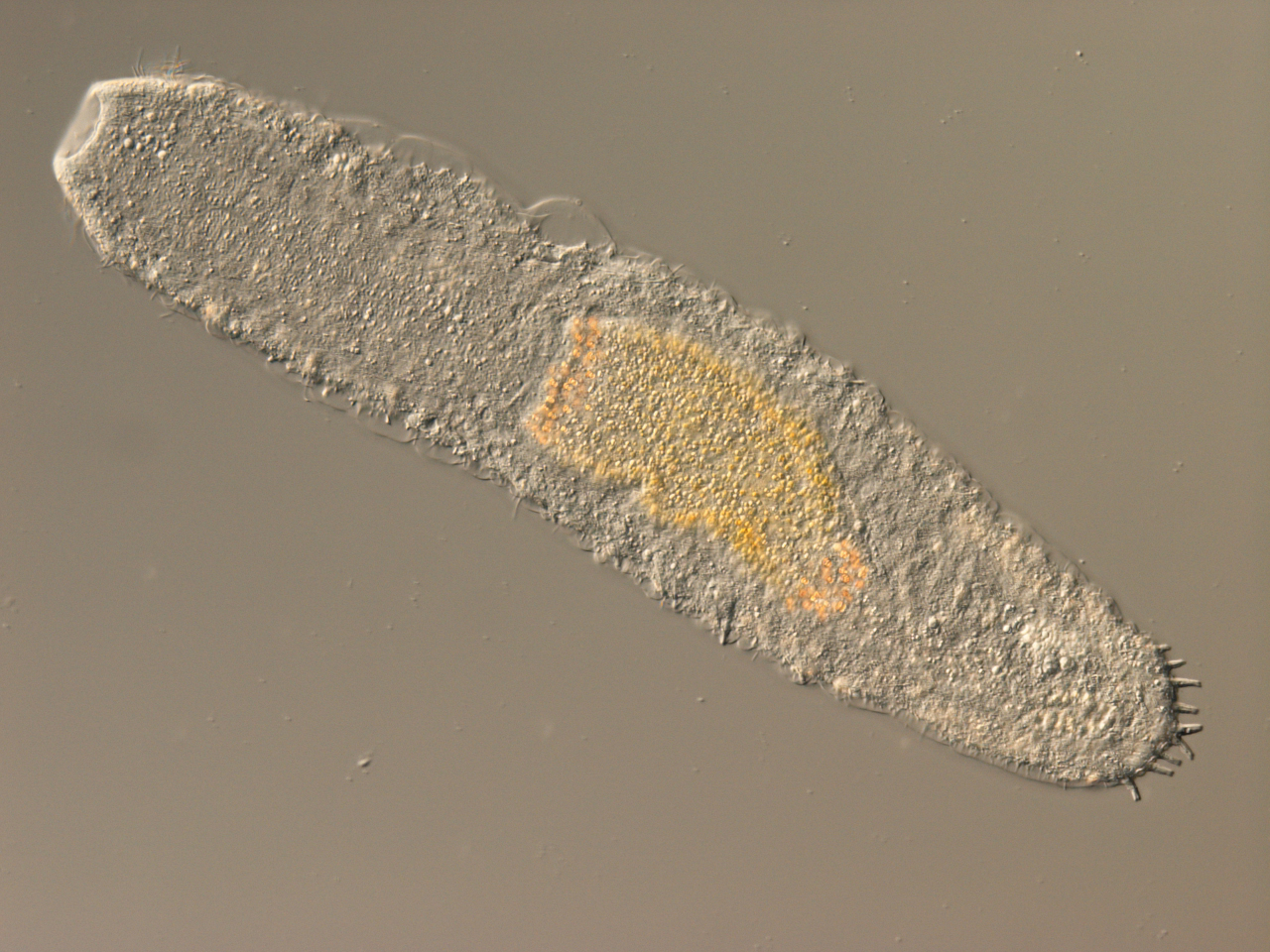 Cephalodasys mahoae Yamauchi & Kajihara, 2018 (Gastrotricha: Macrodasyida) from Ishikari Beach.
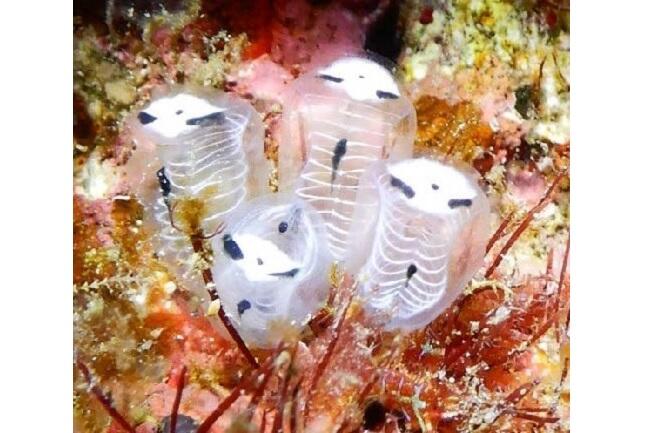
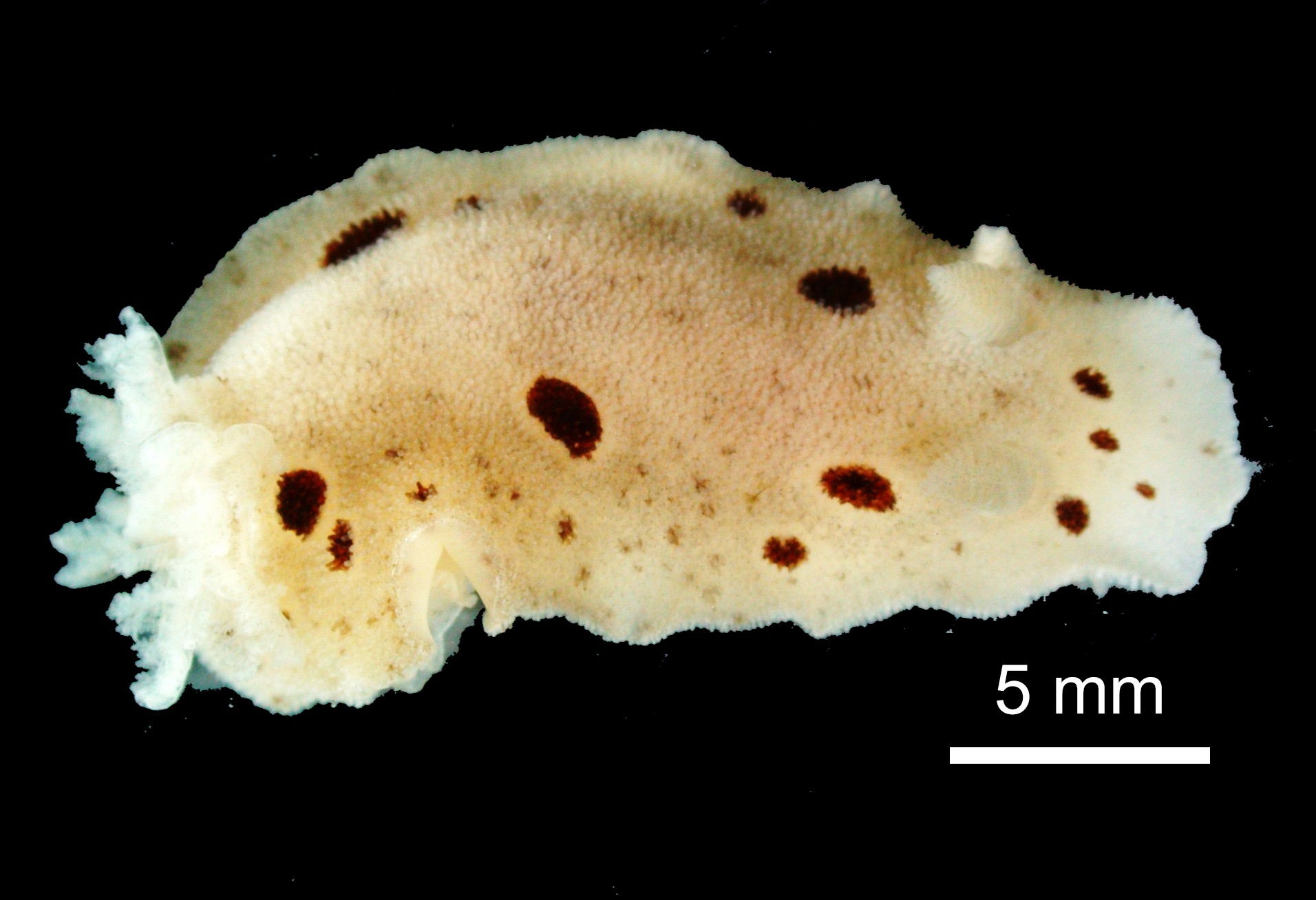 Diaulula odonoghuei Steinberg, 1963 (Mollusca: Gastropoda) from Oshoro Bay.
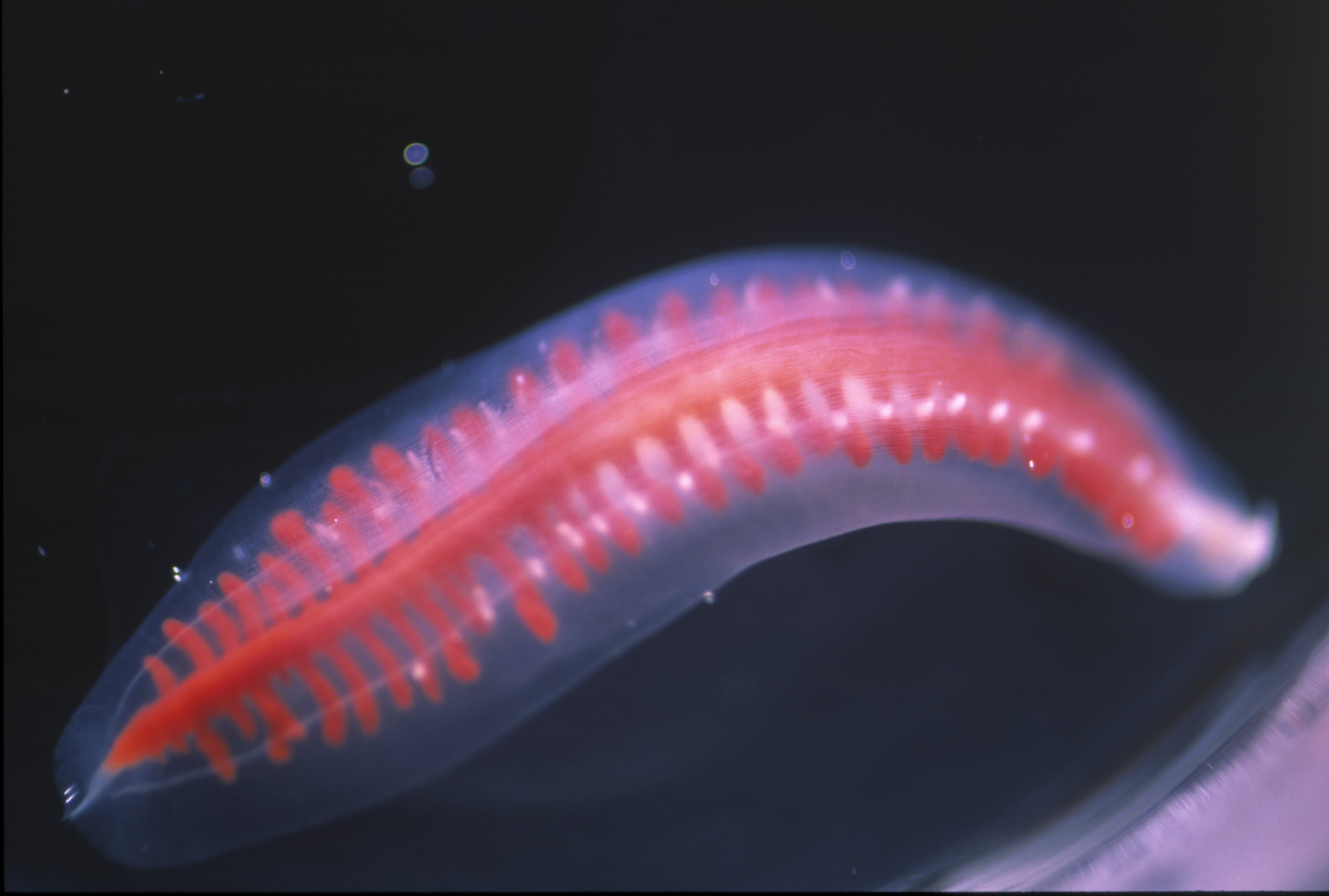 Dinonemertes shinkaii Kajihara & Lindsay, 2010 (Nemertea: Polystilifera) from Japan Trench at a depth of 2,343 m by the manned submersible Shinkai6500.
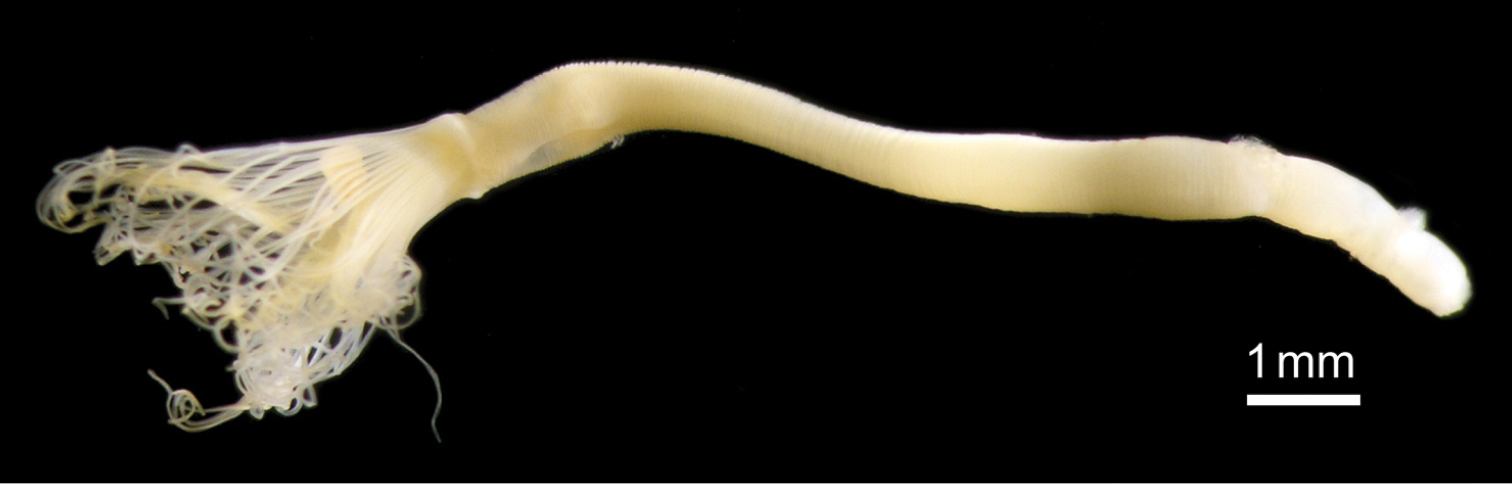 Phoronis emigi Hirose et al., 2014 (Phoronida) from Amakusa, Kyushu.
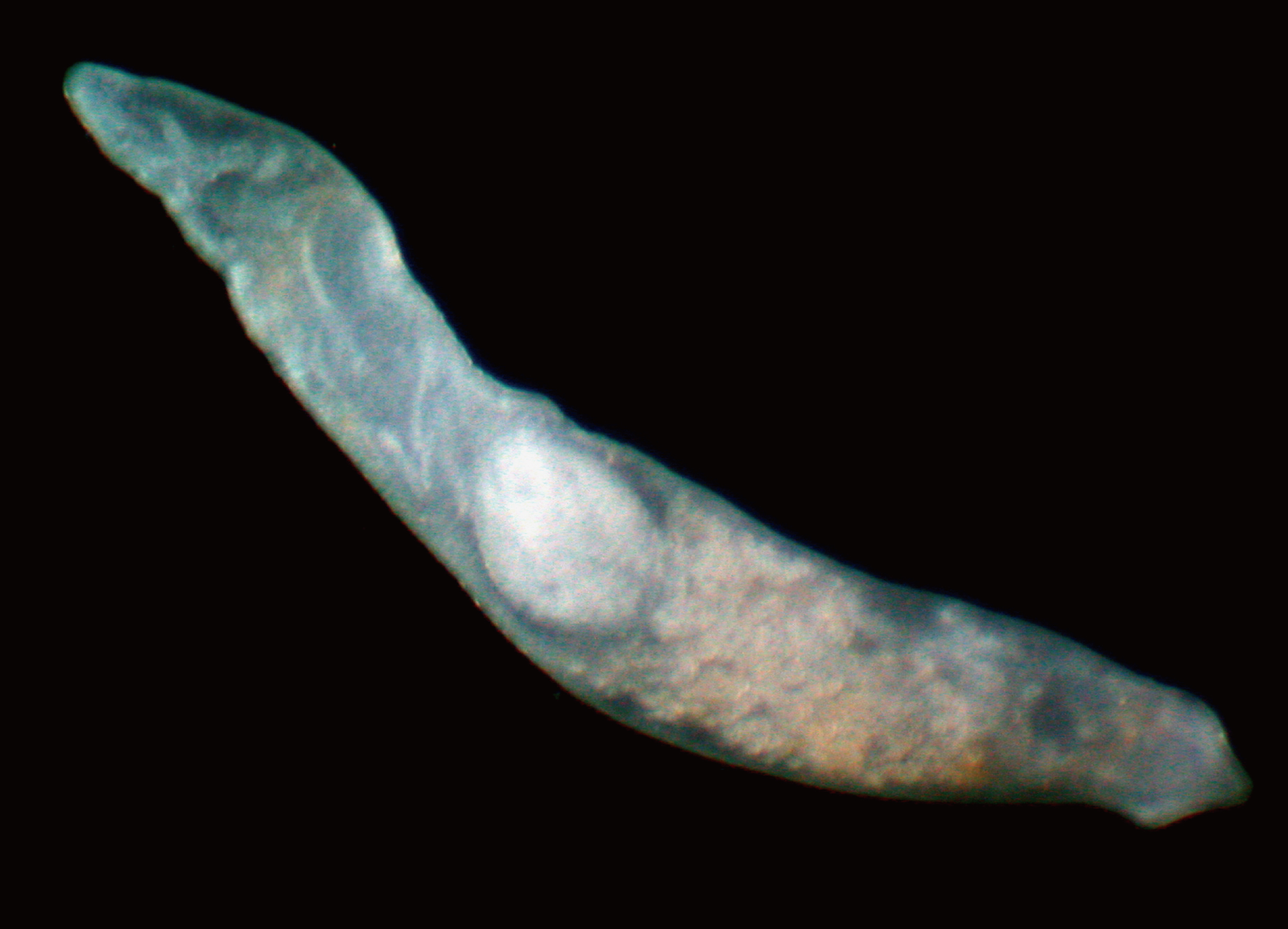 Proschizorhynchella shibazakii Takeda & Kajihara, 2018 (Platyhelminthes: Kalyptorhynchia) from Oshoro Bay.
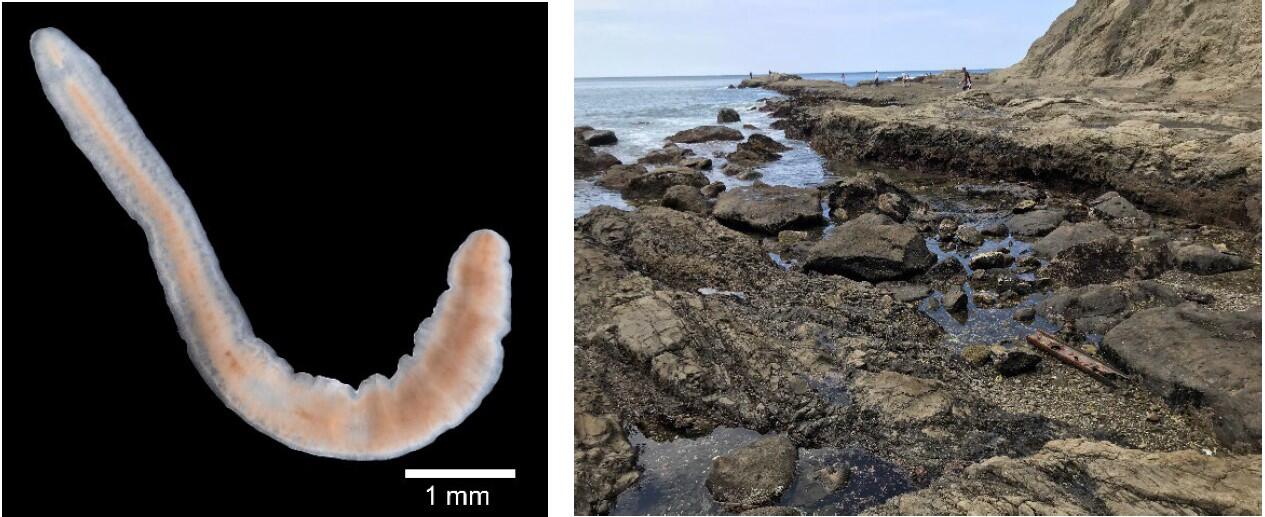
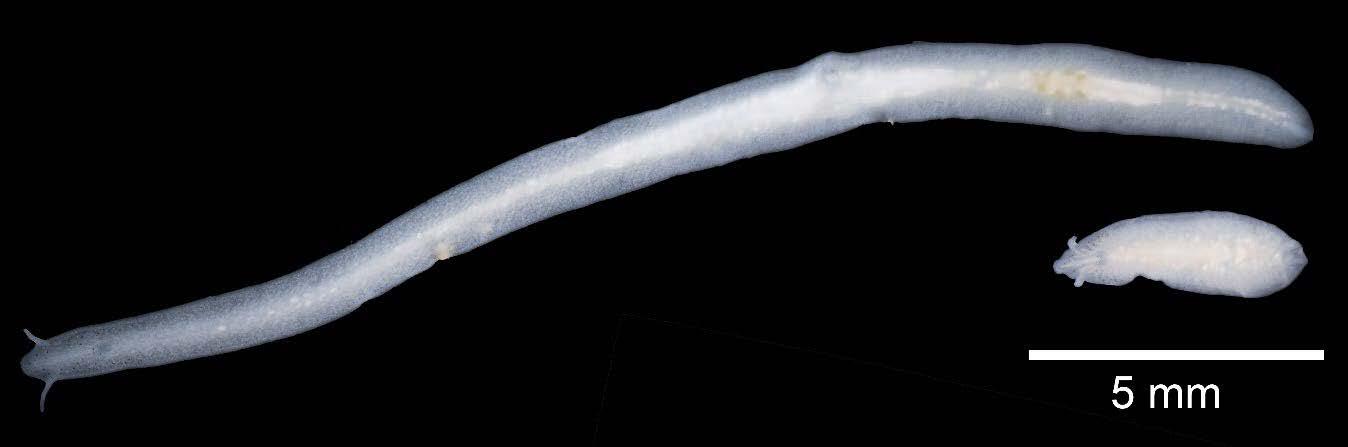
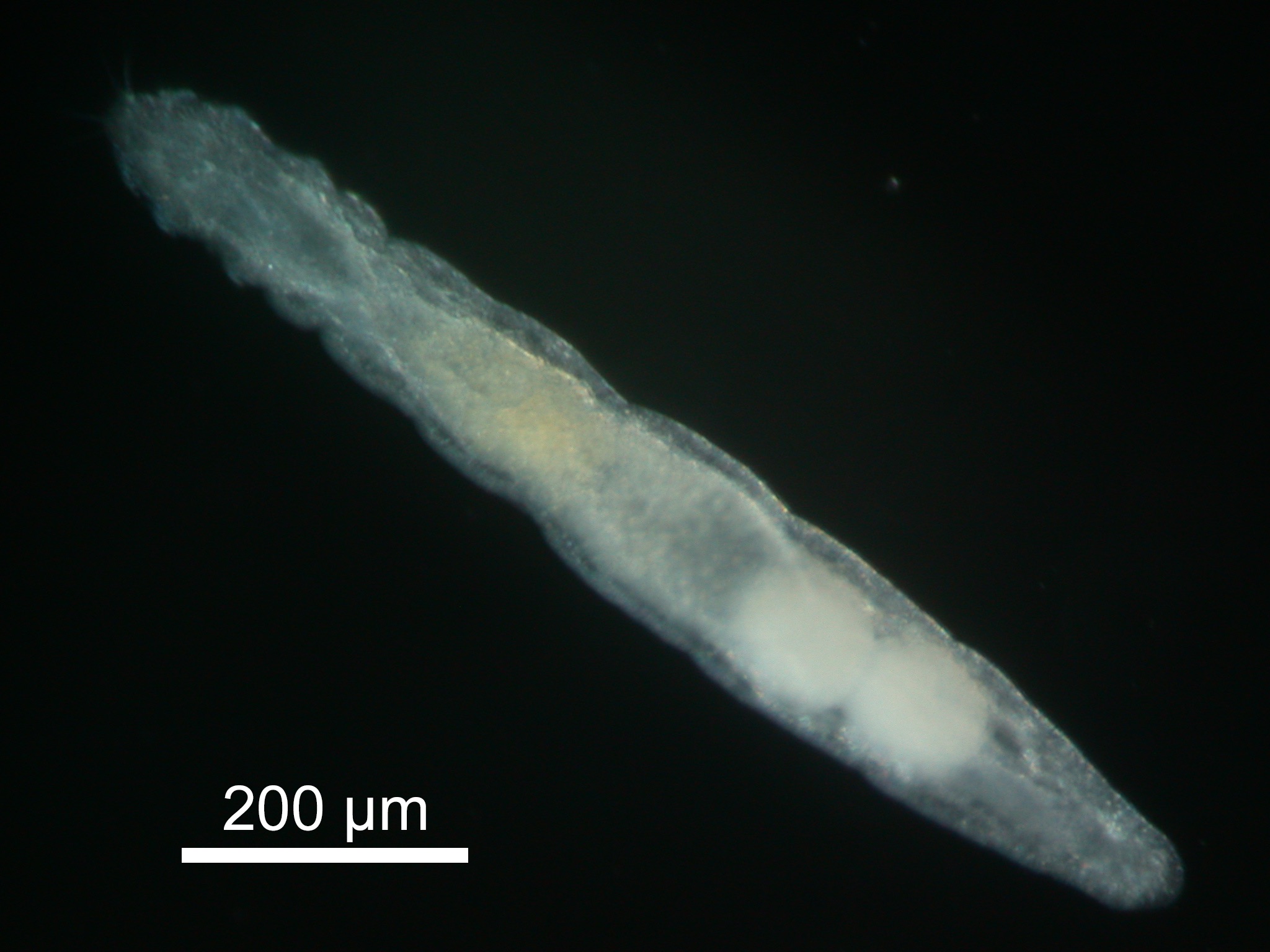 Trilobodrilus itoi Kajihara et al., 2015 (Annelida: Dinophilidae) from Ishikari Beach.
Representative Achievements
Kajihara H (2007) A taxonomic catalogue of Japanese nemerteans (phylum Nemertea). Zoological Science 24 (4), 287–326. GoogleScholar (2026) 被引用数: 93
Kajihara H, Chernyshev AV, Sun SC, Sundberg P, Crandall FB (2008) Checklist of nemertean genera and species published between 1995 and 2007. Species Diversity 13 (4): 245–274. GoogleScholar (2026) 被引用数: 161
Kajihara H (2017) Species diversity of Japanese ribbon worms (Nemertea). Pp. 419–444. In: Motokawa M & Kajihara H (Eds) Diversity of Animals in Japan. Springer Japan, Tokyo, xiii + 721. GoogleScholar (2026) 被引用数: 48
Kajihara H, Ganaha I, Kohtsuka H (2022) Lineid heteronemerteans (Nemertea: Pilidiophora) from Sagami Bay, Japan, with some proposals for the family-level classification system. Zoological Science 39 (1): 62–80. GoogleScholar (2026) 被引用数: 29 Clarivate InCites Top 10%論文
| Affiliated academic society | Japanese Society of Systematic Zoology, Japanese Society of Zoology |