
CHIKAMI, YasuhikoAssistant Professor
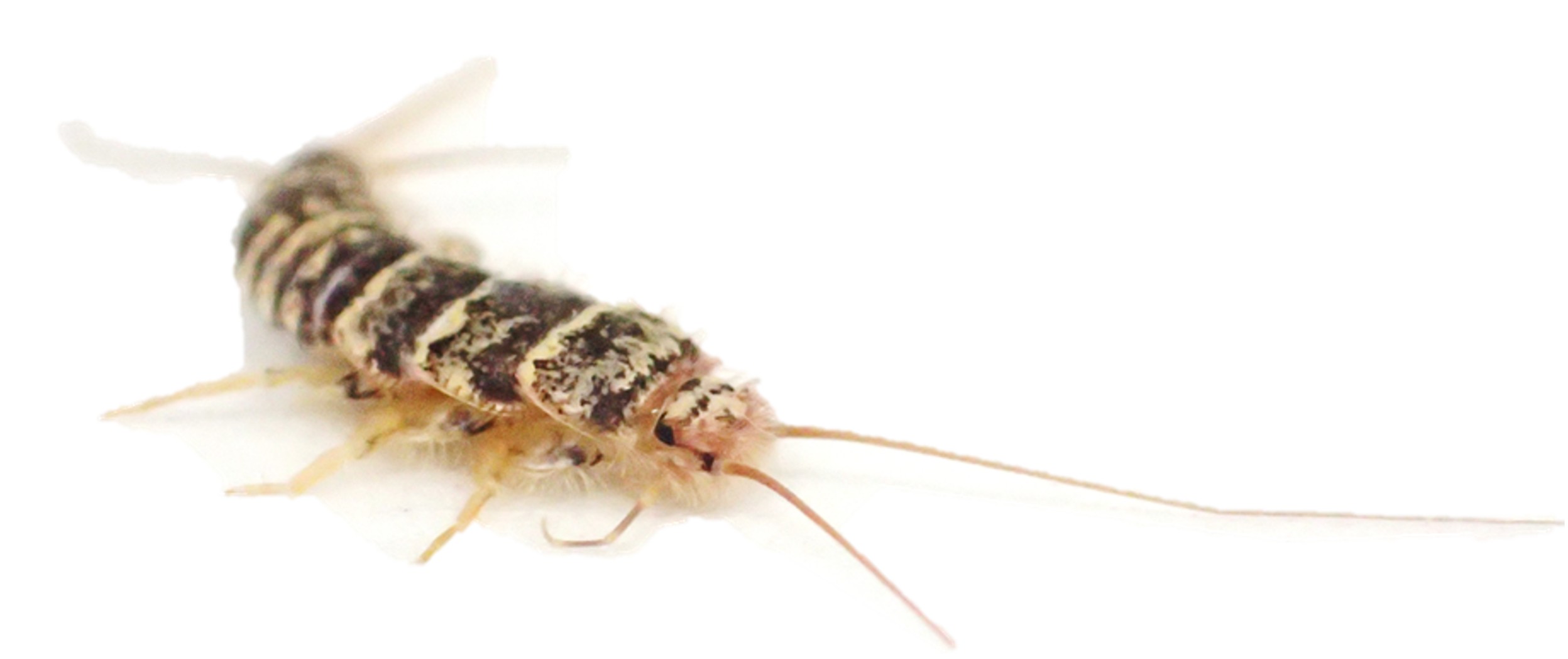
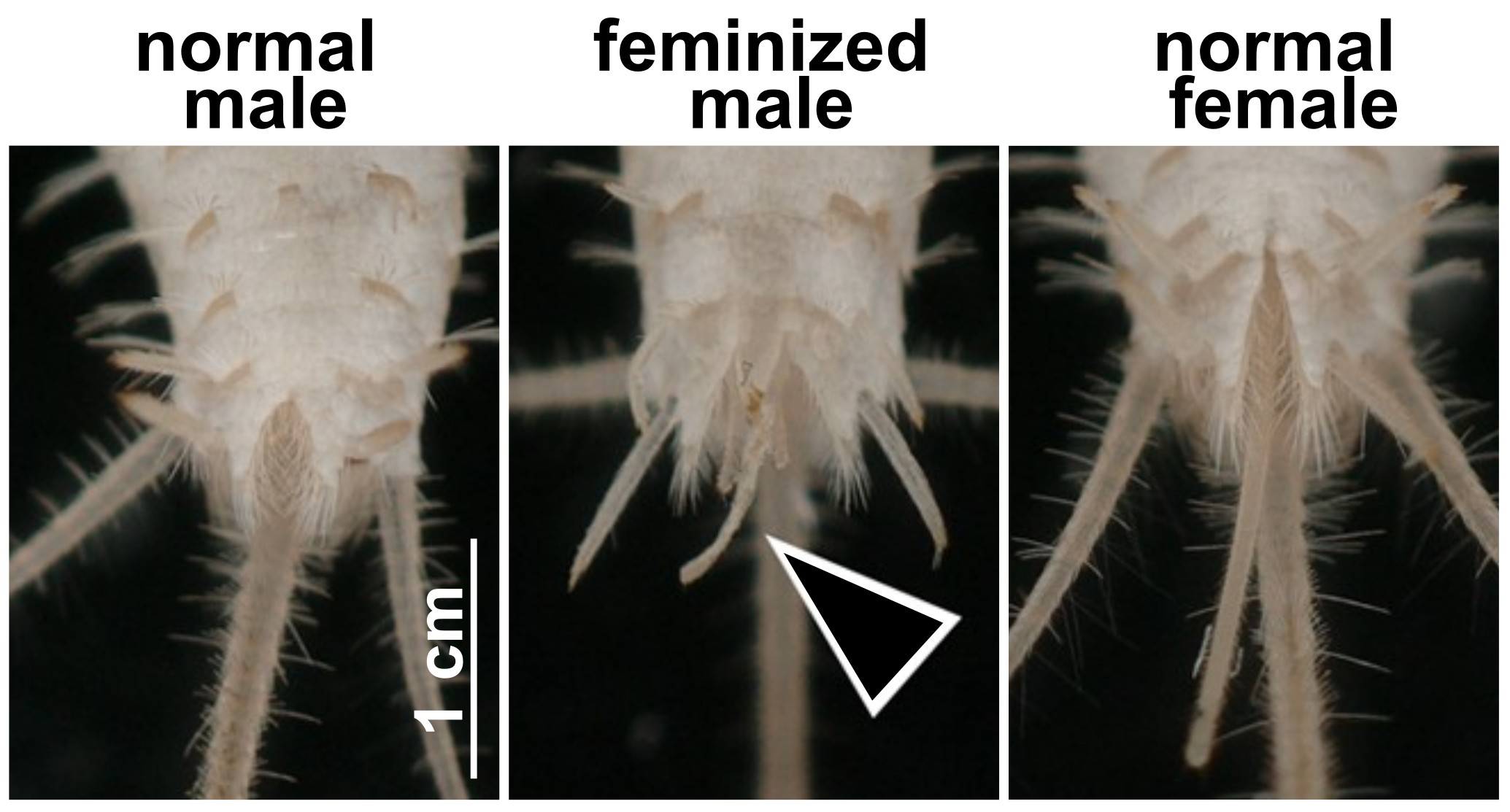
The sexes—male and female— are pervasive across animal taxa and are essential for reproduction. Given this universality and significance, one might expect the mechanisms of sex determination to be shared across animal species. However, the sex-determining mechanism is tremendously labile across animals, even among closely related species. How did the sex-determining mechanism diversify? I try to address this question by focusing on the earlier-branching insect groups, including Zygentoma, i.e., the silverfish or firebrat, and Blattaria, i.e., the cockroach. The current projects are 1) investigating functions of insect sex-determining genes prior to sex determination and 2) understanding the sex-determining mechanism of insects with the XO sex chromosome system.
“Study Nature, not Books”—Louis Agassiz, a famous American naturalist in the 19th century
This phrase emphasizes the importance of engaging directly with nature through one’s own observation and experience without preconceptions while valuing knowledge. I often feel that these words are profoundly true. When I carry out experiments and observations with our own hands and eyes, I am frequently confronted with results that overturn our expectations. I find these encounters with the “unexpected” endlessly fascinating. That is precisely why I am interested in science and research. Through research, do experience for yourselves the unknown world hidden within nature.
References
Faculty
Faculty of Science
Department of Biological Sciences
Reproductive and Developmental Biology
Grad School
Graduate School of Life Science
Division of Life Science
Biosystems Science Course
Contact Information
Science Building 5 5-1103
 Teacher's Archive